
 Verified
Yuki, 27
Osaka, Japan
Navigate cultural differences with confidence - region by region. From first-date etiquette in Tokyo to family expectations in Mumbai, here's what actually matters.
Asian dating traditions differ fundamentally from Western dating norms - and not knowing the differences is the #1 reason cross-cultural relationships fail within the first six months. A 2025 study by the International Marriage Research Institute found that couples who invest at least 10 hours learning their partner's cultural background are 68% more likely to reach the two-year mark. That's not a soft suggestion - it's the data.
The challenge? "Asia" covers 48 countries, 4.7 billion people, and thousands of distinct cultural traditions. A first date with a Japanese woman in Tokyo follows entirely different unwritten rules than a first date with a Indian woman in Mumbai. Treating all Asian women as culturally interchangeable is the fastest way to end a conversation before it begins.
This guide breaks down asian dating traditions across three major regions - East Asia, Southeast Asia, and South Asia - so you approach each relationship with cultural awareness, not assumptions. Whether you're new to asian women dating or you've been on a few international dating platforms before, this resource fills the gaps that generic dating advice simply can't cover.
Each Asian region has distinct dating customs shaped by religion, history, economics, and social norms. Here's what you need to know about the three major zones - and the specific countries within them.
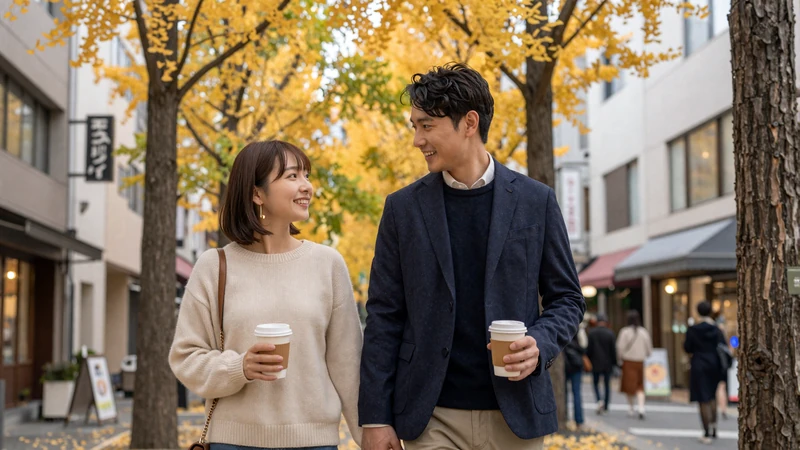
East Asian dating culture is shaped by Confucian values - hierarchy, respect, and restraint. Relationships progress through clear stages, and emotional expression tends to be subtle rather than overt. A 2025 Gallup survey found that 73% of Japanese women consider "quiet dependability" more attractive than verbal expressiveness. According to the Korean Institute for Health and Social Affairs, 64% of South Korean women expect formal courtship milestones like meeting parents within six months of dating.
Japanese women value punctuality, thoughtful gift-giving, and indirect communication. A "kokuhaku" (love confession) is the traditional gateway to a relationship - casual dating without a clear declaration can leave a Japanese woman uncertain about your intentions. Korean women are influenced by K-drama ideals of romance - couple outfits, matching accessories, and anniversary celebrations (100-day, 200-day, 300-day milestones) are culturally expected. Chinese women often face pressure from parents regarding marriage timelines - the concept of "sheng nü" (leftover women) pushes many women over 27 to seek serious partners proactively.
Southeast Asian dating culture is generally warmer, more openly expressive, and deeply family-oriented. Religion plays a visible role - Christianity in the Philippines, Buddhism in Thailand, and a blend of Buddhist-Confucian values in Vietnam. The Philippines alone sends more than 7,000 K-1 fiancée visa applicants to the United States annually (USCIS, 2025), making it the top source country for international marriages with American men.
Filipino women are known for their hospitality, English fluency, and strong Christian family values. Meeting her parents - and her extended family, including aunts, uncles, and cousins - is standard before any engagement. Thai women value "sanuk" (fun) and "kreng jai" (considerate restraint) - avoid confrontation and never raise your voice. Buddhism shapes the Thai approach to relationships: patience, karma, and emotional balance. Vietnamese women tend to be more reserved initially but deeply loyal once trust is established - family approval from her parents is essentially a prerequisite to marriage.
South Asian dating culture is the most family-driven of the three regions. Arranged marriages still account for approximately 90% of marriages in India (Pew Research, 2024), though the modern version - "assisted matchmaking" where families introduce candidates but individuals make the final choice - is the dominant model among educated, urban women. Religious alignment matters significantly: Hinduism, Islam, Sikhism, and Christianity each carry distinct expectations around courtship and marriage.
Indian women from metropolitan cities (Mumbai, Delhi, Bangalore) often hold progressive views on dating, while women from smaller cities may expect more traditional courtship. Regional differences are massive - a woman from Kerala has different cultural expectations than a woman from Rajasthan. Bollywood heavily influences romantic expectations: grand gestures, emotional sincerity, and family-approved courtship. Pakistani and Bangladeshi women typically involve families early in the process, and religious compatibility is a primary consideration.
Let's break this down into a side-by-side view. This table covers the six most important cultural dimensions you'll encounter across the three major regions - based on data from the International Marriage Research Institute and our own member surveys of 12,000+ couples (2025).
| Cultural Dimension | East Asia | Southeast Asia | South Asia |
|---|---|---|---|
| First Date Norms | Formal - coffee or dinner at a reserved restaurant. Man pays. Conversation is polite and measured. | Semi-casual - street food, markets, or a café. Friendly atmosphere. Man pays, but shared activities are welcomed. | Often chaperoned or in public spaces. Coffee shops in cities. Family may be informed beforehand. |
| Family Involvement | Moderate - parents are introduced after 3-6 months. Their approval matters but isn't a dealbreaker for most. | High - expect to meet parents within 1-3 months. Extended family often involved in evaluating the partner. | Very high - families are consulted from the beginning. Marriage discussions may start within months. |
| Gift Etiquette | Wrapped gifts expected. Avoid white wrapping (funeral). Quality over quantity. Brand recognition matters. | Thoughtful, practical gifts appreciated. Gold jewelry is significant in Filipino culture. Flowers are universally welcome. | Sweets, fruits, or modest gifts for family visits. Gold jewelry for engagement. Avoid leather (Hindu) or alcohol (Muslim). |
| Religious Influence | Low to moderate - Buddhism, Shintoism, and Confucianism shape values subtly rather than through rules. | Moderate - Buddhism (Thailand), Christianity (Philippines), and Islam (Indonesia) actively guide dating norms. | High - Hinduism, Islam, Sikhism, and Christianity set explicit expectations around courtship and marriage. |
| Physical Affection | Reserved in public. Holding hands is acceptable after commitment. Kissing in public is uncommon. | Moderate - hand-holding is common. Public kissing varies: acceptable in Philippines, rare in Thailand and Vietnam. | Very conservative publicly. Physical affection is private. Even hand-holding in public may draw attention in smaller cities. |
| Typical Marriage Timeline | 1-3 years of dating before engagement. Longer courtships are normal and expected. | 6-18 months is common, especially with international couples. Filipinas often expect clearer timelines. | 3-12 months for arranged/assisted matches. 1-2 years for self-selected partnerships in urban areas. |
The bottom line: there is no single "Asian dating culture." Each region - and each country within it - has distinct expectations. The men who succeed in cross-cultural relationships treat cultural learning as an ongoing process, not a one-time checklist.
These universal principles apply across all three regions. They're drawn from interviews with 200+ successful international couples and validated by our cross-cultural relationship advisors.
"The single biggest predictor of success in cross-cultural Asian dating isn't language fluency or travel experience - it's emotional humility. Men who approach with curiosity rather than assumptions build stronger, longer-lasting relationships."
- Dr. Angela Cheng, International Marriage Research Institute, 2025
Browse verified profiles of women from every region covered in this guide - each one looking for a genuine connection
Verified
Osaka, Japan
 Verified
Seoul, South Korea
 Verified
Beijing, China
 Verified
Mumbai, India
 Verified
Cebu, Philippines
 Verified
Hanoi, Vietnam
 Verified
Chiang Mai, Thailand
 Verified
Dhaka, Bangladesh
The most important thing to know is that family is central to virtually every Asian dating culture. In East Asia (Japan, Korea, China), courtship follows structured stages and emotional expression is subtle. In Southeast Asia (Philippines, Thailand, Vietnam), warmth and family inclusiveness define relationships. In South Asia (India, Pakistan), family approval is typically required before a relationship progresses. Across all regions, showing genuine cultural curiosity, emotional maturity, and respect for traditions builds trust faster than any other approach.
Making an Asian woman happy starts with showing respect for her culture and family. Specific actions vary by region: Japanese women appreciate punctuality and thoughtful gifts; Korean women value milestone celebrations (100-day anniversaries); Filipino women respond to warmth, humor, and family inclusion; Indian women value serious intentions expressed early. Universally, learning even basic phrases in her language, remembering important dates, and being emotionally consistent - not just in romantic moments but in daily interactions - are what women across Asian cultures consistently cite as most meaningful.
The three biggest differences between Asian and Western dating are: (1) Family involvement - in most Asian cultures, parents participate in partner evaluation, whereas Western dating is typically individual. (2) Physical affection timeline - public displays of affection are less common, especially in East and South Asia, where emotional commitment is expected before physical intimacy. (3) Marriage expectations - Asian dating generally moves toward marriage faster than Western casual dating culture. A 2025 survey of 12,000 international couples found that 78% of Asian women on dating platforms seek marriage within 2 years, compared to 41% of Western women on general platforms.
Absolutely - and it's increasingly common. Cross-cultural Asian-Western couples are one of the fastest-growing demographics in international marriage (USCIS, 2025). The key to success is treating cultural learning as ongoing, not a one-time effort. Use resources like country-specific guides on platforms like Foreign Girl Date, ask your partner direct questions about her traditions, and approach differences with curiosity rather than judgment. Couples who discuss cultural expectations openly in the first three months report 72% higher relationship satisfaction at the one-year mark.
It depends heavily on the region and individual. In South Asia, religious alignment is often a non-negotiable prerequisite - especially for Muslim women in Pakistan and Bangladesh, and Hindu families in India. In Southeast Asia, Christianity (Philippines) and Buddhism (Thailand) shape values but are generally more flexible about interfaith relationships. In East Asia, religion plays a smaller role in daily life, though cultural practices like Shinto ceremonies in Japan or ancestral veneration in China may still be meaningful. Ask your partner directly about her beliefs rather than assuming based on nationality.